

“How would I know if I’m in shock? Why would I even be in shock?”
Mmmmmm… tricky question, I hear you say.
Well, here’s the thing. Life can throw events at us that shake us to the core, a car accident, an unexpected illness, traumatic birth, emotional loss, or something that threatens your very existence. These moments can leave a lasting mark, not just emotionally, but physically and mentally too. And sometimes… we don’t even realise the impact until much later.
Most people believe that once the immediate danger is over, they should just get on with life as normal. But that’s not always how it works. On the HappyMe app, we’ve created a short questionnaire to help you check in with yourself, because sometimes, we’re still in shock without realising it. We’re functioning, yes… but we’re not really here, present.
What does this actually feel like?
Here’s what people often say to me:
- “I feel numb.”
- “I can’t seem to connect with anyone.”
- “I’m just going through the motions.”
- “Life goes on as normal, but nothing feels normal to me.”
- “I keep drifting off in my head, like I’m not really here.”
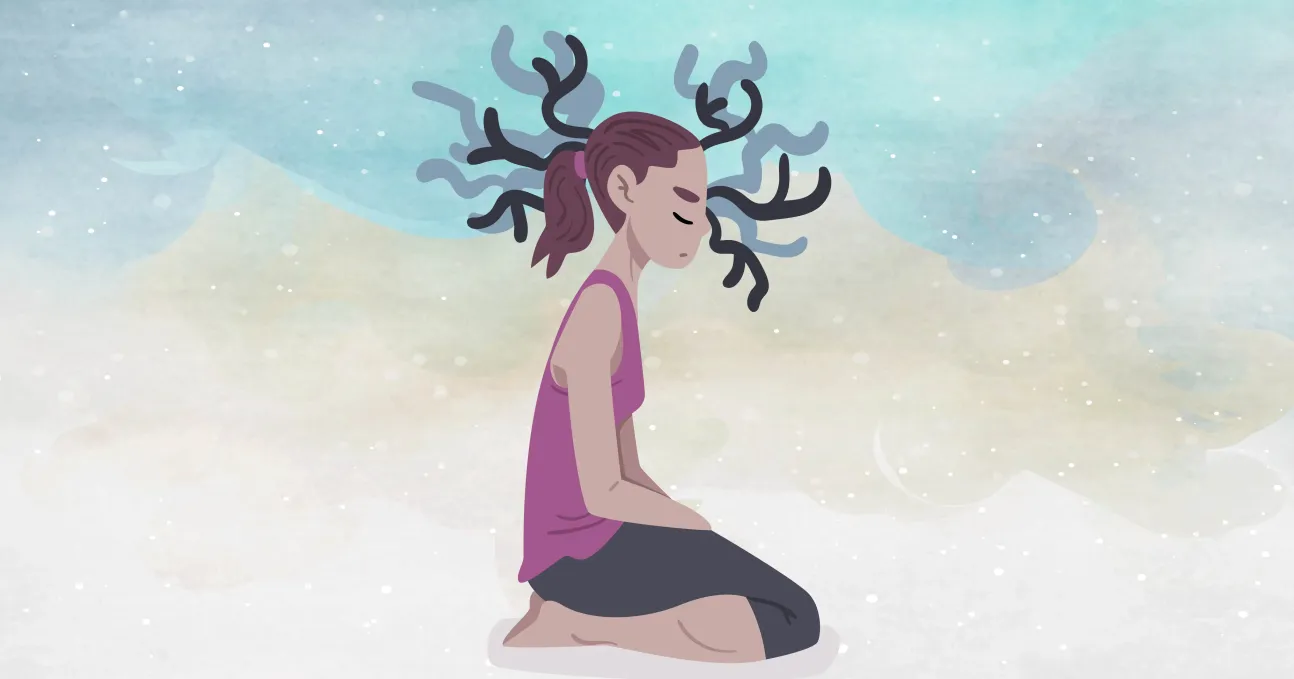
If any of this sounds familiar, you might be experiencing dissociation, which often happens when someone is still in a state of shock. It’s like the lights are on, but no one’s quite home. You might feel spaced out, not grounded, like you're watching your life from the outside.
This isn’t just “in your head”, it’s your brain doing what it’s meant to do when it thinks you’re in danger. It’s trying to protect you by switching off your emotional system, numbing the nervous system and disconnecting you from pain. But the longer it stays switched off, the more disconnected and isolated you can feel.
So how do I know if I’m still in shock?
Let’s go back to the basics. The brain only recognises two real fears:
- Unexpected loud noises
- Falling
So, if you’ve experienced something sudden, threatening, or traumatic, your brain may have decided to hit the “safe mode” button, just like a computer does when there’s a problem. You, the captain of your ship, are temporarily taken offline. Your system dulls everything down to protect you.
Sounds helpful, right? And it is - short term.
But here’s where it gets tricky: your brain doesn’t always know when it’s time to come out of safe mode. So now, you’re left living in this half-alive, emotionally shut-down state… and you don’t even know it.
You then have to carry on as if nothing has happened, like you are back to normal….. whatever normal is. How do you do that without feeling present with your children? Feeling disconnected from your partner? Not being able to think straight at work. Hiding the emptiness that you feel inside. It’s confusing and exhausting.
What symptoms should I look out for?
- Feeling numb or emotionally flat
- Spacing out often or feeling “foggy”
- Trouble sleeping or constant exhaustion
- Flashbacks or sudden waves of anxiety
- Feeling like you’re not fully part of your own life
- Difficulty connecting with others
- Overwhelmed in busy places or during conversations and avoiding social events
- Isolating yourself but also feeling lonely and alone
“But I should be over it by now…”
Ah, the classic line. So many people have heard this, from friends, from family, even from themselves.
- "That happened a long time ago…”
- “Surely you’re past that now…”
- “You need to move on.”
But here’s the truth: you can’t just think your way out of shock.
This isn’t weakness. It’s biology. And when people are told to just get on with it, they end up feeling more broken, more disconnected, and more alone.
That desperation to “get back to normal” can make things worse because now, not only are you feeling numb, but you’re also pretending to be okay for everyone else’s comfort.
So what do I do?
At Achieve Happiness, my therapy business we work with this every single day.
The first step is understanding what’s happening in your brain and body. Then, it’s about retraining your nervous system to believe you’re safe again. That means committing to you by using HappyMe’s every day to create new habits and thought patterns. Follow the daily routine, or set one of your own in tasks, journaling, grounding techniques, work through the lessons to learn more about you and who you are and sometimes, it means seeking out trauma-informed support.
Therapies like IEMT (Integral Eye Movement Therapy) Andrew T Austin, is my personal favourite or EMDR, can work wonders to desensitise the emotional impact of trauma. These approaches help the brain process what happened in a safe and gentle way, and show it that it’s okay to let go now.
You’re not alone in this
I’ve worked with soldiers, new mums, people from all walks of life - all stuck in this strange state of being alive, but not really living and feeling present.
And I’ve seen them come back to themselves.
It’s not instant. But it’s possible. And it’s beautiful.
Remember: you’re not broken. You’re just in safe mode. The goal is to become the captain of your ship again.
Use HappyMe daily. Be gentle with yourself. And if something inside of you is whispering, “I don’t feel quite right…” listen.
That’s the first step towards home, towards you.
Love from Mell & the team xx


-jpg.webp)
