
A colleague snapped at me in a meeting last year, and I spent the whole evening running it back. Was I too pushy in what I said? Did my tone come across wrong? By bedtime I'd written a small essay in my head about what a difficult person I must be.
The next morning she messaged to apologise. Her dad had been admitted to hospital the night before, she'd been in bits all day.
That entire evening of self-criticism was about her stuff, not mine. And I'd carried it for hours.
Whose Stuff Is It?
As a therapist I see this every single week. Someone leaves a conversation feeling like they've done something wrong, and we spend the session untangling what was actually theirs to carry, and what was just somebody else's bad day landing on them.
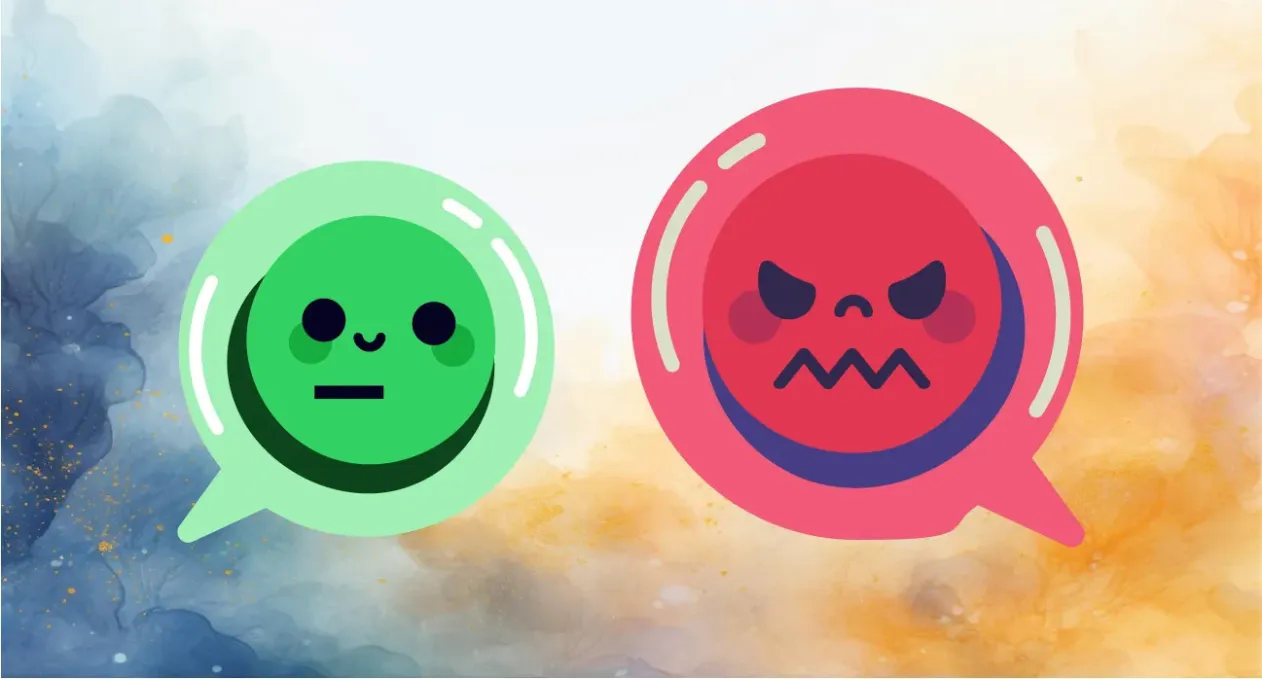
I call it their stuff and your stuff. Simple words, but it really helps.
Their stuff is everything another person is carrying, their stress, their unresolved anger, the row they had before they walked in. Your stuff is your own wellbeing, the things you genuinely want to work on, the feelings that are actually yours.
Most of us mix the two up constantly. A sharp word from someone we respect, and we're off, convinced it's about us.
But Why Do We Do It?
Good question. I've wondered this too.
Some of it is childhood. If you grew up in a house where an adult's mood was everyone's problem, you learned to scan for emotional weather very early. That's a survival skill, not a flaw.
Some of it is being empathetic. If you feel other people's emotions easily, you're going to pick up their rubbish whether you mean to or not.
And some of it is honestly just habit. The brain does what the brain has practised. If you've spent twenty years taking things personally, it'll take more than a weekend of wishing to change that.
But it can change. I've seen it change in clients, and I've changed it in myself.
Is It Always Their Stuff Though?
No, and this matters.
Sometimes the feedback is real. Sometimes someone is telling you something uncomfortable because they care, and it's worth hearing. Being honest about which is which is part of the work.
The question I ask myself now when something lands badly is this: if this exact thing had been said to a good friend of mine, would I think they deserved to feel this bad about it?
If the answer is no, it probably isn't mine to carry.
The Blame Game Task in HappyMe
This is why we built the Blame Game task into HappyMe. A small daily exercise, takes a few minutes, walks you through the same questions I'd ask a client.
You think about a moment in your day when someone made you feel bad. You write down the feeling. Then you ask, honestly, is this about me, or is it about them?
If it's theirs, you box it up. You name the box, seal the lid, and send it somewhere it can't come back from. I know that sounds a bit silly the first time, but something does happen when you visualise putting it down.
Then you reconnect. You notice how you feel with that weight lifted. You remember you were never to blame for any of it in the first place.
One client told me recently, "I didn't realise how much of my day I was spending wearing other people's moods." That was it exactly.
What Changes When You Stop Carrying Their Stuff?
You stop replaying conversations. You stop editing yourself to avoid upsetting people who were going to be upset anyway. You get your own energy back. You sleep better, honestly, because your brain isn't running tribunals at 2am about something that was said to you at 11am.
And here's the bit that surprised me most about doing this work on myself. You become kinder to the people having the bad days. Because once you stop taking it personally, you can actually see what's going on with them.
So, Are You In?
Give it a go. Download HappyMe, try the Blame Game task tonight before bed, and see what you notice by the end of the week. Only a few minutes a day, but small things done daily are what actually shift our lives, I really believe that.
We're proud of you.
Mell and the team at HappyMe