
I’m currently on holiday. The sun is shining, the hotel is beautiful, and I’m here with my hubby, Mick.
You’d think this would be the one time I wouldn’t need to track my mood, I’m away, I’m grateful, and I’ve got time and space to relax. Surely that means happiness is guaranteed.
But here’s the truth. This is exactly why I love mood tracking so much, because it shows me, in real time, how quickly emotions can shift, how easily stress can creep in, and how powerful it is to pause, notice, and reset.
I wake at 7:30 and step out onto the balcony. The sea stretches out in front of me, I’m a Pisces, so that view instantly lifts my mood, the sun is shining and birds are chirping, the light is soft, and everything feels calm and easy.
I open HappyMe, track my mood, and confirm my smiley face. I feel happy, relaxed, and content. Everything feels just right.
And then, as it often does, life happens.
Mick forgets his wallet with the room key, so we head to reception, but there’s a conference starting and the lobby is suddenly full. The queue is long, people are everywhere, and I can feel the pressure building.
By the time we sit down for breakfast, it’s busy, noisy, and rushed when a lady spills her honey all down my arm. I eat too quickly, my body tightens, and I end up with indigestion.
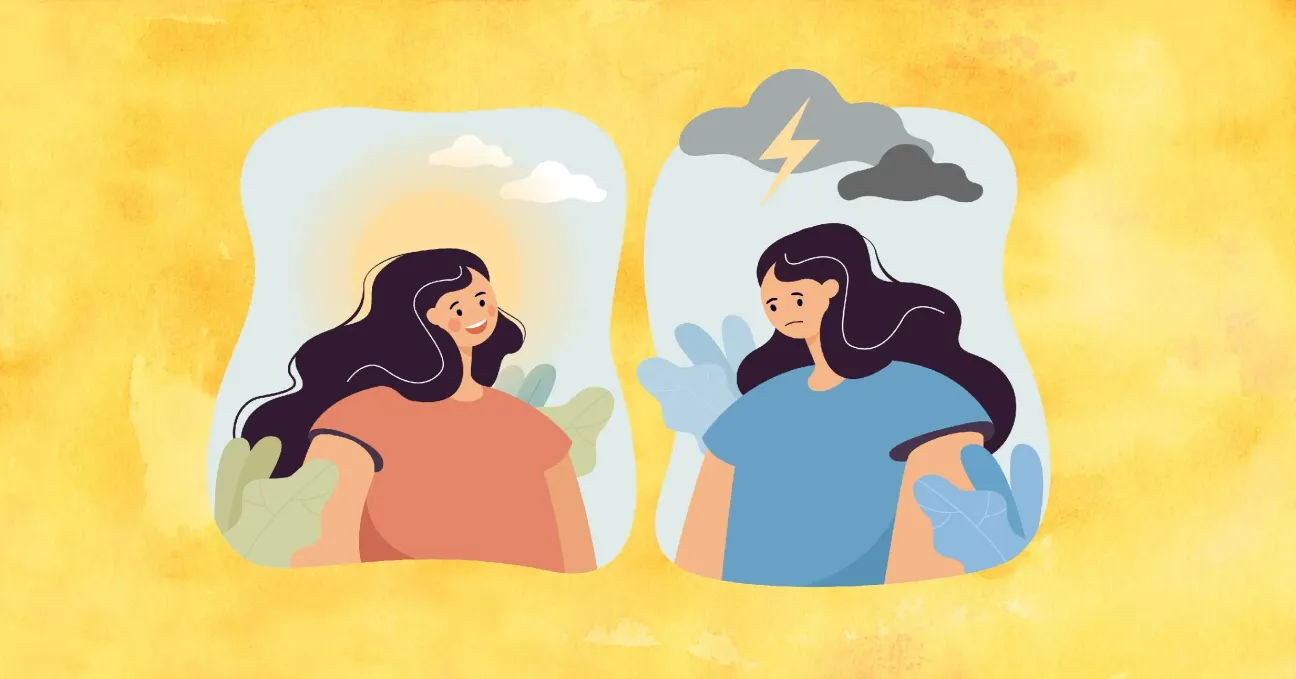
And just like that, my mood shifts.
This is how quickly stress can affect your body and mind, even when you’re on holiday, even when everything is “supposed” to be perfect.
Later, by the pool, I open HappyMe again, I pause, I check in and I track how I feel.
In that moment, something changes, I’m no longer caught up in the stress, I’m aware of it and that puts me more on the outside.
That awareness gives me a choice.
So I take a few minutes to reset and I slow my breathing, focus on gratitude, repeat a few affirmations, and sit quietly. Nothing dramatic or forced.
Within ten minutes, I feel calmer, my body relaxes, my thoughts settle, and I’m back to enjoying my day.
And this is why mood tracking works so well.
It isn’t just about logging how you feel. It’s about creating a pause between what happens and how you respond and when you have that pause, you can catch stress early, understand what’s going on in your body, and choose a different direction.
Without that moment of awareness, your mood can quietly take over your day. You might feel irritable, overwhelmed, or disconnected without fully understanding why and it can snowball fast, then everything is annoying. You may snap at people you care about or carry that tension with you for hours.
Not because anything is seriously wrong, but because the shift went unnoticed and mood tracking helps you catch it early, recognise and gently bring yourself back.
Over time, it also helps you spot patterns. You may notice that your mood dips after certain conversations, that stress builds before specific events, or that evenings feel heavier after mentally busy days.
These patterns matter as they begin to show you what supports you and what drains you. They help you make better decisions about your time, your boundaries, and your wellbeing. It also helps you recognise what belongs to you and what doesn’t.
It’s easy to take on other people’s emotions, especially when you care deeply. But absorbing someone else’s stress or sadness doesn’t actually help them, and it can leave you feeling drained.
When you track your mood, you become more aware of when your emotional state shifts and why. That awareness allows you to stay grounded and protect your energy.
Even here, on holiday, in the sunshine, with everything around me just as I would want it, my mood still shifts it's part of being human.
But the difference now is that I don’t stay there for very long, I notice sooner, I reset quicker, and I choose how I want to feel next.
Mood tracking gives you that awareness and that awareness gives you choice. If this feels familiar, start simple. Pause for a moment today and ask yourself, “How do I feel right now?”
That one small moment of awareness might be enough to change the direction of your whole day.
Because feeling better doesn’t always require big changes, sometimes, it starts with simply paying attention.
Be brave. Be aware. Make the change.
You’ll thank yourself for it.
With love,
Mell X